

The Lifecycle of a Pimple: Puberty, Pregnancy, Perimenopause
What comes around goes around and is round

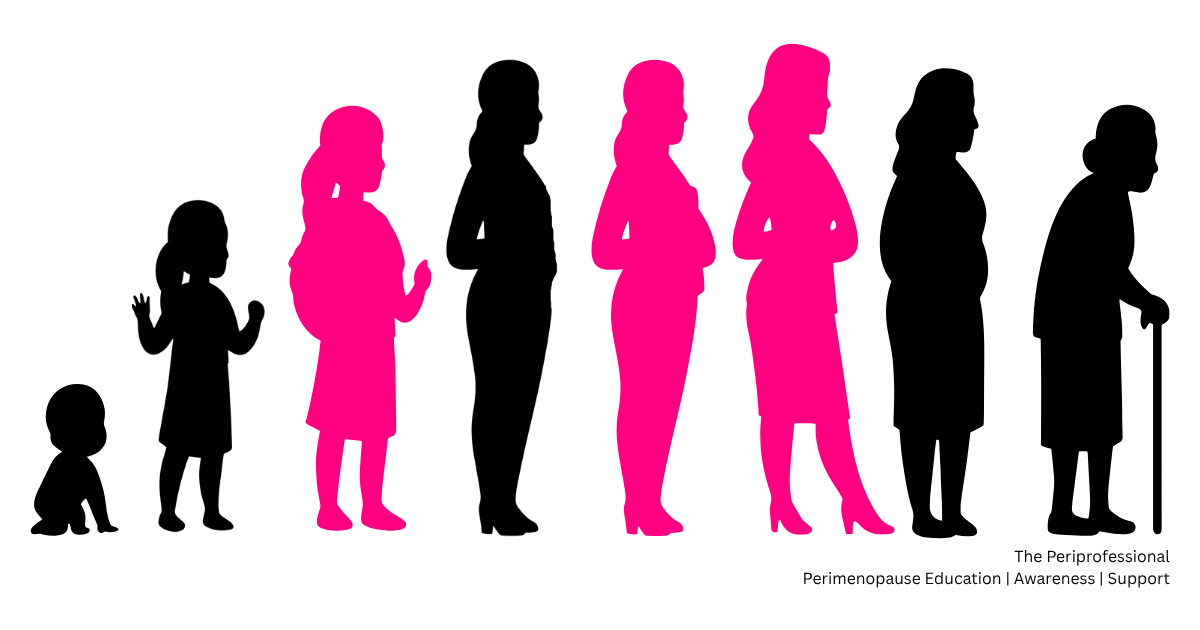
Oftentimes, the inspiration for my articles comes from what’s happening in my real life behind the screen, and this one is a perfect example.
In the last month, I’ve developed 3 - that’s THREE - pimples. I haven’t had pimples in the last two decades. Maybe one or two small ones, but not 3 in a month.
The problem with aging is that they are taking their sweet time to heal, and I can still see the remnants of the big one I had on my chin. That was a particularly gross one and made me feel like a kid again (just not in a good way).
While hormonal shifts during puberty and pregnancy are well-known for causing pimples, perimenopause is another time in a woman’s life where pimples can pop up. Hormones aren’t the only thing to blame, but it’s a big influencer for the development of breakouts.
Higher testosterone is a big driver of the zit bus. Our testosterone levels are not connected to the menopause transition and are usually higher during perimenopause. Our declining testosterone levels are a result of the aging process, and it gradually decreases postmenopause. Interestingly, science sees a bump in testosterone in women in their late 60s and 70s, which coincides with an increase in pimple activity.
Just when you thought you were done with pimples 4-eva!
This article’s NEW name…
The Lifecycle of a Pimple: Puberty, Pregnancy, Perimenopause, and Postmenopause
Acne is a collection of pimples and is a chronic skin condition. It involves multiple types of lesions, whereas a pimple usually involves only one type at a time. Acne during perimenopause and menopause is called “menopause acne.” Women who develop acne in this later rise of testosterone have “late onset menopause acne.”
Peter Piper Picked His Pickled Pimple
Put your fingers down and step away.
Popping or picking at pimples, especially at midlife, is a bad idea. Skin changes at midlife, such as thinning, increase the risk of developing a scar or experiencing pigment changes from popping a pimple.
We need to be gentle with our skin regardless of whether or not you’re seeing changes yet (they are there and happening before you’ll even notice them).
Tonight’s Options for Getting Zit-Faced
There are several different types of pimples. I’d include photos, but I don’t want to give you nightmares. I’m not taking on that kind of responsibility for poor sleep during perimenopause.
Seeing other people’s vacation photos is bad enough, but now you can watch ASMR pimple-popping videos and people find them relaxing. Yes, I said relaxing. Dang, maybe I could have made some money from the whooper I had on my chin. Google if you’re curious.
The Big Berthas
Nodules - Harder cyst-looking pimples that tend to run deep and are painful. These are more prone to scarring (and scaring!).
Cysts - Similar to nodules, but are more pus-filled. These also go deep, are painful, and can leave scars.
Pustules - I’m sure you’ve seen these before. These have pus at the top and a distinctive red ring at the base.
The Tiny Tims
Papules - Raised and inflamed pink bumps.
Blackheads - Oxidation within the clogged hair follicle appears to look like dirt, but it is oil and dead skin.
Whiteheads - Clogged hair follicles that are white, but not raised.
I’m sure you realized that pimples tend to appear overnight. They probably didn’t form overnight - they were already in the works - but nighttime culprits like pillowcase bacteria, nighttime sweating, and overnight oil production make it a perfect time to appear.
The Gen Z Solulu (Solution): The Blemish Buster 5000
I have two Gen Zers living with me, and I hardly understand what they are saying most of the time. Their slang is out of this world, and at first I didn’t like it, but I’ve grown to appreciate it. It’s kind of cutesy and playful.
And they have the most clever solulus.
When my chin pimple showed up, my daughter convinced me to try a pimple patch. Have you seen these?
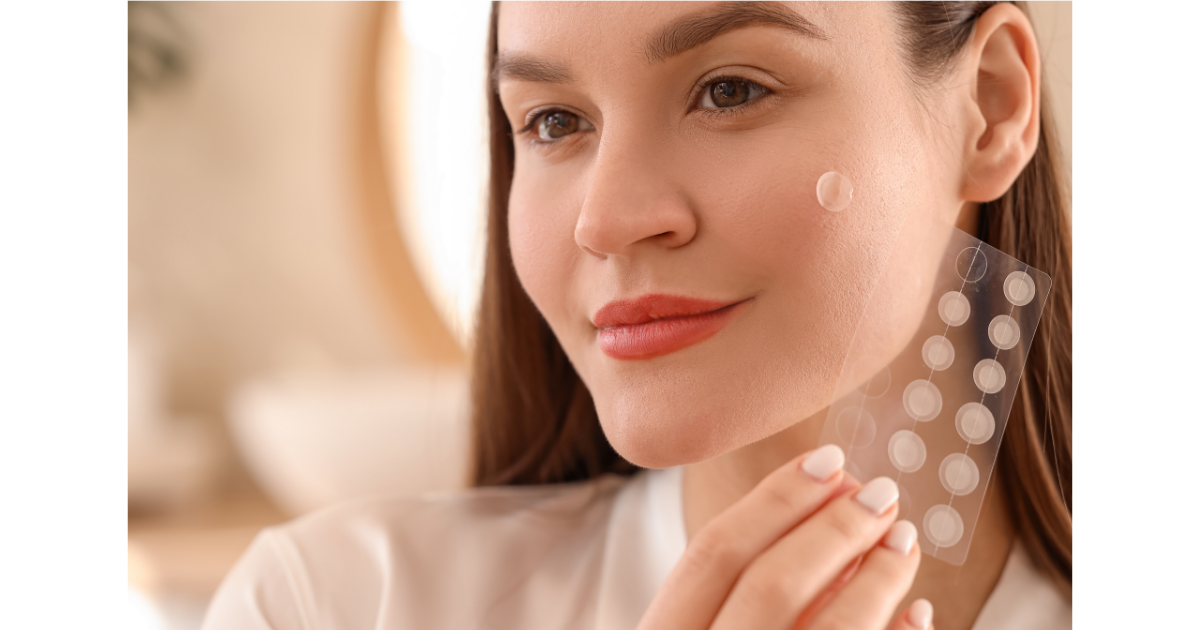
In my generation (oh boy, I’m talking old now), a girl would be mortified to have a pimple and would try anything to cover it. Now, these kids (boys and girls) slap on a decorative pimple patch and go about their day. The first time I saw her wearing one, I did a double take and asked: “What is THAT?”
A pimple patch is a thin, circular sticker made out of hydrocolloid that you place over your pimple. Hydrocolloid is a moisture-retentive, gel-forming material. You may have seen blister Band-Aids made from this material (fun fact: you can use one as a pimple patch in a pinch by cutting it to size).
I thought pimple patches were a gimmick, but she talked me into trying one of her clear ones that just melts into your skin and becomes background noise.
After you apply it, you leave it in place for about 8 hours and then carefully peel it off. She explained to me that the material of the patch pulls the gunk forward out of the pimple. Then you can use a warm compress, which allows the fluid to safely leave the skin.
The silly thing worked!
The painful pimple I had brewing under my chin rose to the surface. As I began to peel the patch off my skin, the pus inside came off with it, and I was able to clean it up without popping anything. Good news for my midlife skin.
Pimple patches only work on certain types of pimples: papules or pustules. They don’t work on whiteheads, blackheads, nodules, or cysts. They help absorb sebum and pus, shield the pimple from dirt, and some contain ingredients that reduce inflammation (look for medicated pimple patches).
These are fine for “rando”1 pimples that occur from time to time, but if acne has become an ongoing problem, it’s time to visit a health care professional for treatment and advice.
Question: Have you tried a pimple patch, and if not, would you?
Note: I’ve added a link to the comments section. I write this newsletter on Substack, which promotes engagement and community. While most newsletters are simply read and then forgotten, your experience here can be much more rewarding and meaningful when you choose to participate and interact with other readers. I take your privacy seriously, never sharing what you write elsewhere, and I respond to all comments.

There’s a lot of Pees in Perimenopause
Based on the number of times I use the bathroom, this is literally true. As I was writing this article blending pimples with perimenopause, I realized there were a lot of P’s in the article.
Wouldn’t it be fun if we counted them?
When it comes to brain health, we need to continue challenging it with activities to keep synapses firing. I’ve found that playing games that encourage focus and concentration helps me retain more information and stay on task without getting distracted.
How many Ps are in this article up until this POINT!
This Week on The Period Break
The Period Break is my Monday source of supercharged women’s health information for peri-pausies who want to uplevel their perimenopause experience with my best advice.
Dear Shelby: Do I Need to Worry About Sexually Transmitted Diseases?

The standard players are still out there… herpes, syphilis, gonorrhea, and chlamydia. However, there’s a new sheriff in town...
Don’t let perimenopause get the best of you!

I can help you feel better in 45 minutes by sharing everything you need to know about your unique perimenopause worries and concerns, offering tips to help manage your symptoms through lifestyle suggestions, and answering your questions. A judgment-free zone, and come as you are.
👉 Virtual, Email, Audio, and Text Appointments available! Meet once or often.
Learn more or book online using my HIPAA-compliant client portal.
Want to learn more on your own? Paid subscriptions to The Periprofessional will lead you on a path of perimenopause self-help where you’ll receive bonus advice and special support 💖 reserved for my consulting clients. Monthly and annual options available. Starting at $7/monthly, CANCEL anytime through your Substack account.
Be well, stay cool…

Shelby Tutty, MHA
Certified Perimenopause Educator and Coach
Founder of The Periprofessional, LLCSLT: Written by Me

Disclaimer, Content Use Policy, Privacy Policy
Gen Z for random.
I've had acne since I was like 10 years old. For years I was constantly cleaning my face; that never helped. Later, through experimentation, I discovered it was certain drinks/foods that were the problem. (Also, shea butter. Now I reserve the shea butter for the soles of my feet).
As far as hormones, is it really testosterone, not cortisol?
Thanks for this information, Shelby.
I've not yet tried the pimple patches, but I've always wondered how well they work. I'm glad to know they helped you! I've always been prone to a "Bertha" cyst in the days leading up to my period. One would have thought that would not still be happening in my 50s, but unfortunately it does. At least at this point in my life, those cystic zits are smaller, less painful, and don't hang around for too long.